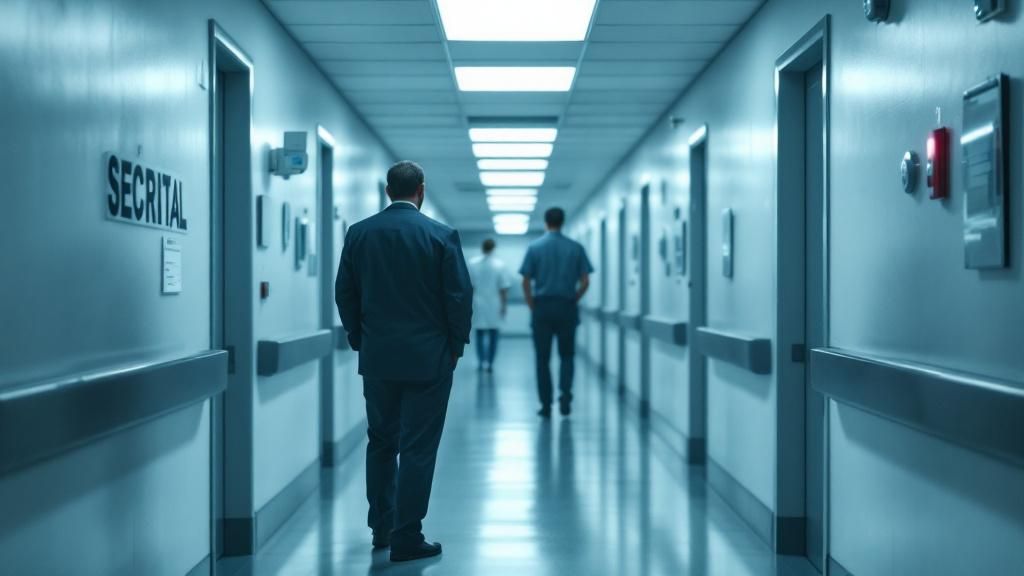
Nepal’s ex prime minister KP Sharma Oli has been arrested over his alleged role in a violent suppression on protests that resulted in more than 70 lives in the previous year. The 74-year-old was arrested at his home in Kathmandu on Saturday morning early and later admitted to hospital for standard medical examinations, authorities confirmed. The arrest comes after recommendations from an government inquiry committee that Oli and ex-home minister Ramesh Lekhak be prosecuted for criminal negligence in connection with the September protests, which began as a youth-led protest against social media bans but developed into broader demonstrations fuelled by anger over corruption and economic hardship. The arrests occur just a day after Nepal’s incoming prime minister, 35-year-old musician-turned-politician Balen Shah, was sworn in following polls prompted by the crisis.
The Arrest and Immediate Aftermath
Oli was detained at his property in the early hours of Saturday morning as part of an active inquiry into the handling of last year’s unrest. Following standard police procedure, the former prime minister was transported to a hospital in Kathmandu for clinical evaluation. Hospital officials stated that the intake was essential given Oli’s years and his medical history, which includes two kidney operations. Clinical assessments were carried out to determine his current health status before he could be formally processed through the justice system.
Ex-home minister Ramesh Lekhak, aged 62, was similarly detained on the identical date following the inquiry committee’s recommendations. Neither man has been formally charged at this stage, though both face allegations of gross negligence. Oli’s defence counsel has challenged the arrest, arguing it is premature and unjustified and unnecessary given there is minimal likelihood of him fleeing or evading questioning. The arrests have sparked significant political controversy, with advocates of Oli’s CPN-UML party staging protests in Kathmandu and revealing plans for countrywide protests.
- Oli taken into custody at home early Saturday morning after investigation findings
- Hospital admission to hospital carried out as routine police procedure for medical evaluation
- Former home minister Lekhak also detained on same day
- Neither man formally charged despite allegations of criminal negligence
The September Violent Insurrection with Cost
How the Crisis Emerged
The deadly uprising commenced on 8 September when young Nepalis protested in opposition to the state’s shutdown of social media sites. What began as a Gen-Z-led rally soon developed into something far more serious. At least 19 people, including a teenager in school uniform, died on that opening day when officers fired on demonstrators. The first response failed to quell the unrest; instead, it ignited more extensive protests nationwide as discontent regarding the authorities’ aggressive tactics merged with longstanding grievances about corruption, economic stagnation, and widespread unemployment.
Over the coming weeks and days, the protests grew increasingly intense across Nepal. Demonstrators set fire to parliament buildings, police stations, and shops as the revolt spread beyond the capital. The security forces’ response proved increasingly brutal, with police continuing to use lethal force against protesters. By the time the unrest ended, more than 70 people had been killed, with many shot by police during the turmoil. The extent of the violence shocked the nation and prompted immediate calls for accountability from bereaved families and civil society groups demanding justice for those lost.
The human cost of the military action has been deeply damaging for Nepali communities and families. Families of 76 people who were killed have been advocating persistently for months to guarantee that those responsible for the violence answer for their actions. Their efforts have sustained pressure against authorities to examine the handling of the protests and call senior officials responsible for the deaths. The emotional and social impact continues to reverberate through Nepali society, with the arrests of Oli and Lekhak marking a notable, though contested, step towards responding to the grievances of those affected by the September violence.
- Protests commenced 8 September over state-ordered internet blackout
- At least 19 dead on first day, among them schoolboy in uniform
- Violence intensified with demonstrators setting fire to parliament and police stations
- Over 70 people lost their lives to police gunfire during the uprising
- Bereaved families campaigned for months demanding justice and accountability
Court Cases and Political Consequences
The arrests of KP Sharma Oli and Ramesh Lekhak constitute a significant milestone in Nepal’s pursuit of accountability for the September crackdown. Both men were taken into custody on Saturday pursuant to recommendations provided by an official inquiry panel that established their culpability for criminal negligence in their response to the protests. Oli, 74 years old, was received treatment at a Kathmandu clinic for standard medical examinations given his advanced years and previous experience with two kidney transplants, whilst Lekhak, 62, completed routine police procedures. Neither has as yet been formally charged, though the investigation is ongoing to move forward in accordance with Nepali law. Their legal representatives have challenged the arrests as untimely and unwarranted, contending there is inadequate evidence of likelihood of flight or intimidation of witnesses to warrant detention at this juncture.
The political consequences of the arrests have been swift and polarising. Oli’s CPN-UML party has mobilised supporters across Kathmandu, organising countrywide protests in protest at what they view as targeting of their leader. Oli himself has earlier rejected the investigation’s findings as “character assassination and hate politics,” refusing to accept responsibility for the deaths. Conversely, the new Home Minister Sudan Gurung, who played a prominent role in the original protests, has endorsed the detentions on Instagram, emphasising that “no one is above the law” and framing the action as the “beginning of justice” rather than political revenge. This stark political split underscores the deep wounds the September violence has inflicted on Nepali society.
| Key Figure | Status |
|---|---|
| KP Sharma Oli | Arrested Saturday, admitted to hospital for medical tests, not yet charged |
| Ramesh Lekhak | Arrested Saturday following investigation panel recommendation, not yet charged |
| Chandra Kuber Khapung | Former police chief, also recommended for arrest by investigation panel |
| Balen Shah | New prime minister sworn in following election triggered by the crisis |
The sequence of the arrests, occurring just one day after 35-year-old rapper-turned-politician Balen Shah was sworn in as Nepal’s new prime minister, suggests a resolute push by the incoming administration to demonstrate commitment to accountability. Shah’s Rastriya Swatantra Party secured a overwhelming win in the March polls, the first sole-party majority in decades, offering a clear mandate for change. The new government’s willingness to pursue Oli, his former leader, indicates a break from earlier practices of immunity from prosecution and suggests genuine determination to address the grievances of those affected by the violence in September.
New Leadership and Calls for Responsibility
The arrests constitute a watershed moment for Nepal’s governance framework, demonstrating a break with years of impunity that has beset the nation’s governance. Families of the 76 people who died in the September demonstrations have persistently called for accountability from those who oversaw the crackdown, and Saturday’s arrests point to their voices have at last received attention. The investigation panel’s recommendations, coupled with the prompt steps implemented by the new administration, suggest a true dedication to justice. However, the road ahead is marked by tension, as Oli’s supporters mobilise protests nationwide, regarding the arrests as politically motivated persecution rather than proper legal action.
The global nature of these arrests warrants consideration, as Nepal aims to show its commitment to legal governance and human rights standards. The arrest of senior officials conveys a forceful statement that no person, irrespective of political position or former role, is above the law. This framework for accountability is crucial for restoring public confidence in public institutions that suffered considerable harm by the brutal suppression. The new government confronts the difficult task of seeking justice whilst preserving political equilibrium and preventing further civil unrest in a state still grappling with the impact of the September violence.
The Sweeping Victory
Balen Shah’s Rastriya Swatantra Party secured an historic sweeping triumph in March’s elections, securing the first single-party majority in Nepal for many years. This strong electoral endorsement provided the incoming government with considerable political capital to pursue reform and address institutional corruption. Shah, at just 35 years old and with a background in rapping and politics, embodies a new generation in Nepali politics. His party’s overwhelming support indicated appetite amongst the public for change and fresh leadership, especially among younger voters who had participated in the September protests.
- RSP won landslide majority, sole party in many years to accomplish this
- Shah took office as prime minister the day before the apprehensions took place
- Electoral success delivered strong mandate for accountability and reform initiatives
The swift action taken by Shah’s government in pursuing Oli shows the new government’s commitment to convert electoral promises into substantive measures. By moving decisively on the investigation panel’s recommendations just days following taking office, the newly appointed premier has demonstrated that answerability will not be delayed by procedural delays or partisan interests. This method contrasts sharply with past regimes’ disinclination to bring charges against powerful figures, offering hope to affected families that accountability could finally be within reach.
